The History of
Claquato
Church
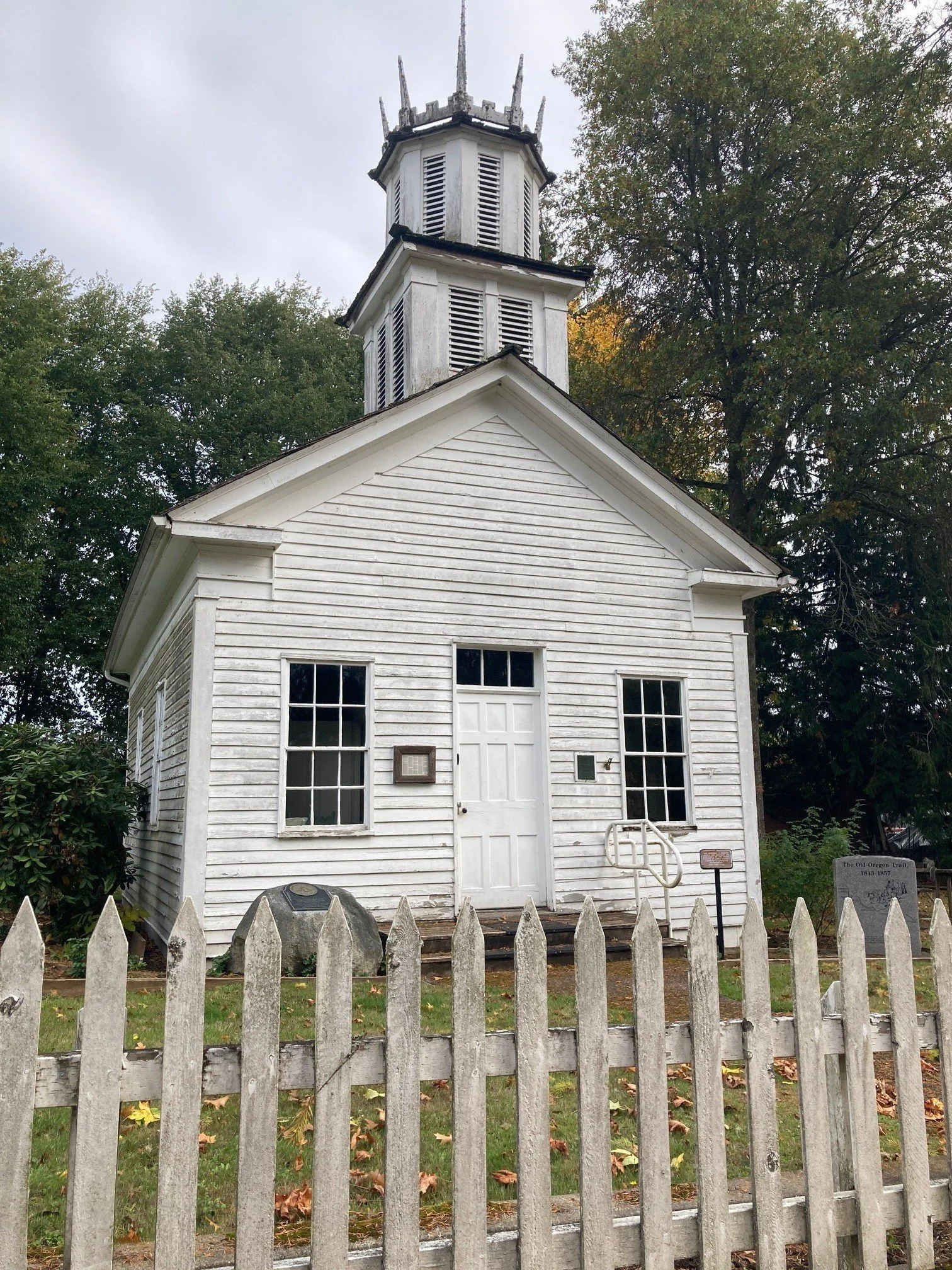
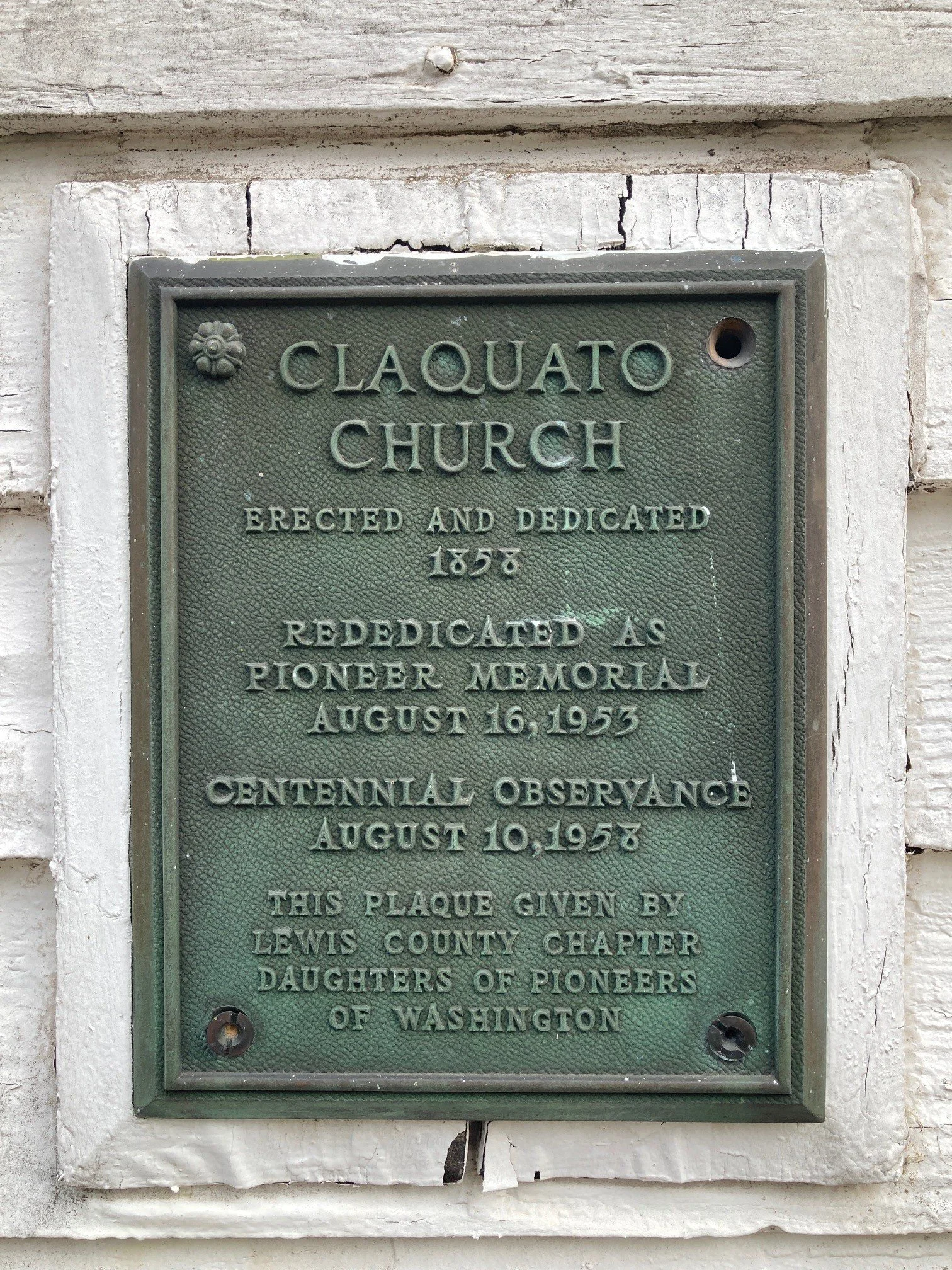
Built in 1858, the Claquato Church stands as the oldest remaining church building in Washington State and one of the few enduring landmarks from Lewis County’s earliest pioneer era.
The town of Claquato was founded in 1853 by early settler Lewis Hawkins Davis, who envisioned a thriving community along the Chehalis River. Claquato quickly became the Lewis County seat and a hub of early Washington life — a place where pioneers gathered for worship, commerce, fellowship, and civic matters.
Claquato Church was constructed in 1858, built entirely by local hands using hand-hewn lumber from nearby forests. The steeple once housed the town’s original bell, and its distinctive crown-of-thorns ornament remains one of the church’s most recognizable features. For decades, the church served as a central gathering place for worship services, weddings, funerals, and early territorial meetings.
The building reflects simple frontier craftsmanship and purposeful design. Cedar siding, hand-planed boards, Gothic-style windows, and the iconic spire speak to the skill and devotion of those who built it. The church consists of a single modest room, warmed only by the people who gathered inside.
With no plumbing, real heat, or modern amenities, its authenticity speaks for itself — a rare and remarkably intact surviving example of Washington’s early settlement era.
For more than 165 years, families have stood beneath these rafters to celebrate milestones, grieve losses, pray, and connect. Many of the church’s original builders and early congregants now rest just steps away in the historic Claquato Cemetery, established in 1856.
Today, the church and cemetery stand side by side as the last two remaining landmarks of the original Claquato village, forming a shared landscape of heritage and remembrance that quietly preserves the story of the people who helped shape Lewis County’s beginnings.
Now under the care of the Claquato Heritage Association, a subsidiary of the Claquato Cemetery Association, the church is being thoughtfully restored to protect its historic integrity and ensure that its legacy — and that of the community that built it — continues to inspire future generations.